
From Lawn to Listing: GOKO’s Tech Ambition and the New Scramble for the High-End Outdoor Robot Market

At the heart of Silicon Valley, a different kind of pitch is cutting through the AI buzz: one that involves grass clippings, muddy slopes, and the sprawling backyards of the ultra-wealthy. The company is GOKO, and it is not building the next chatbot. It’s engineering a robotic conqueror for the most demanding lawns on earth. This focus has caught the sharp eye of venture capital, with a recent Series B round led by firms like Sequoia Capital and Lux Capital reportedly valuing the startup at over $800 million. The bet isn’t on a smarter lawnmower; it’s on the kernel of a future “robotic estate platform.”
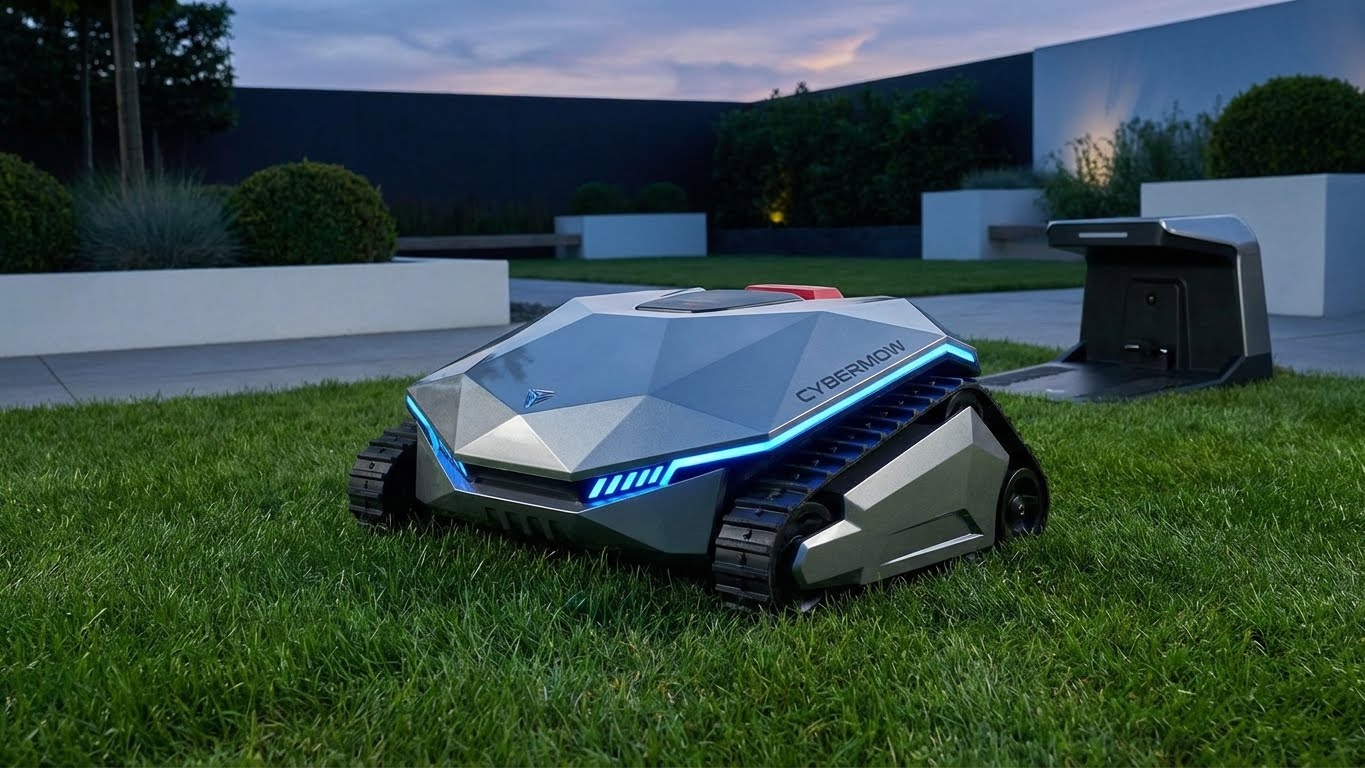
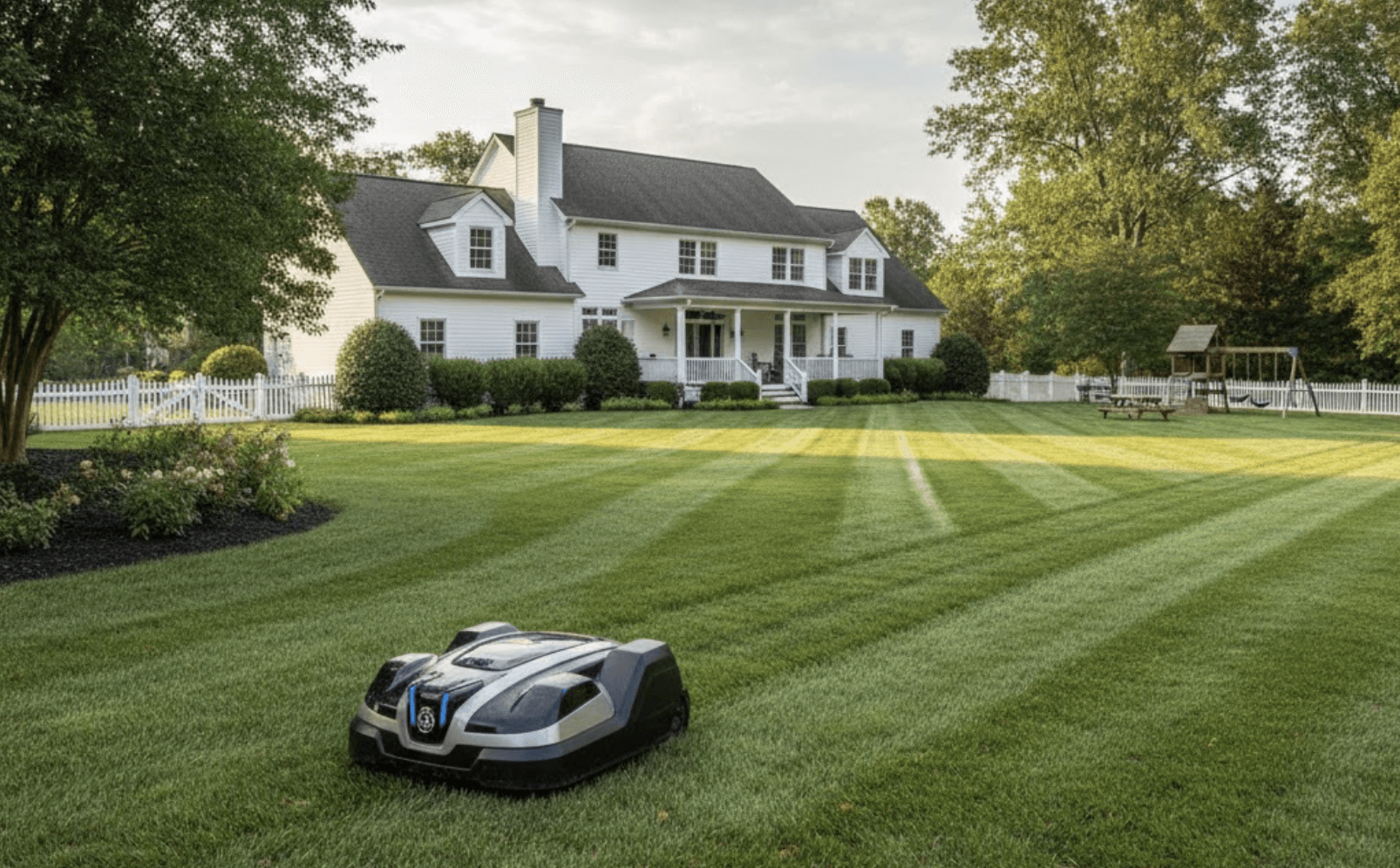
GOKO’s flagship product, the GOKO Pro, is a statement of intent. Priced at a premium that makes consumer robotic mowers look like toys, it targets a specific, high-value pain point: the multi-acre, topographically challenging estate. Its value proposition bypasses the convenience-seeking suburbanite and speaks directly to the frustration of an estate owner paying tens of thousands annually for landscaping crews that still can’t safely or efficiently manage steep, wet, or uneven terrain. GOKO sells not a gadget, but a guaranteed, salon-quality outcome—and the luxury of time reclaimed.
“This is a classic case of a deep, underserved niche masquerading as a simple consumer problem,” says Mariana Flores, a partner at Lux Capital who led the investment. “The incumbent players optimized for the median lawn—flat, small, and simple. GOKO started with the hardest problem: complete autonomy in unstructured, complex, large-scale outdoor environments. The core AI and mobility stack required to solve that is defensible and, crucially, extensible.”
Deconstructing the Business Model and Market
GOKO’s model is a blend of high-margin hardware and recurring software/service revenue. The upfront cost of the GOKO Pro (starting above $8,000) captures the immediate value of replacing labor and equipment. However, the long-term play lies in its software-defined capabilities and data. Subscription services for advanced terrain analytics, ultra-precise boundary mapping, and performance monitoring are in development, creating an annuity stream.
The target market, while narrow, is lucrative. Analysts at Apex Research estimate the global addressable market for high-end, large-property (>1 acre) robotic maintenance solutions at approximately $4.2 billion annually in the US and Europe alone, growing at 22% CAGR. This slices a premium segment from the broader $40+ billion professional landscaping services industry.
“They are not chasing volume; they are capturing margin,” explains David Chen, founder and CEO of GOKO. “Our customer’s alternative is a $25,000 riding mower plus a $15,000 annual service contract, or a $60,000 piece of commercial slope equipment. We are a capital asset that appreciates through software updates, delivering a superior result at a lower total cost of ownership.”
The Platform Play: Beyond the Blade
The investor excitement hinges on what the GOKO Pro could become. Its core technologies—the “All-Terrain Conquest” drive system and the “QuadVision+” AI perception suite—are effectively a robotics platform. They provide mobility and spatial intelligence for a hostile, dynamic outdoor environment.
This platform could host other tools. Imagine a snow-blowing module for winter, a aerator/dethatcher for seasonal lawn care, or a sensor array for irrigation monitoring and leak detection. The company has quietly filed patents for modular attachment systems and a universal docking station that could provide power and data for various implements.
“The mower is the beachhead,” says Kenji Tanaka, a robotics analyst at Bloomberg Intelligence. “It proves the platform’s reliability in harsh conditions. Once a $10,000 robot is trusted to navigate a cliffside garden without destroying it, convincing the same owner to add a $3,000 robotic pollinator or monitor isn’t a huge leap. They are building a gateway to the automated estate.”
Competitive Landscape: Awakening Giants and Niche Players
The market response is stirring. Traditional outdoor power equipment behemoths like John Deere and Toro have advanced autonomy divisions, but their focus has been largely on commercial agriculture and golf courses, not the residential ultra-premium segment. Consumer robotics leader iRobot, after its failed acquisition by Amazon, is seen as potentially vulnerable in outdoor spaces it once explored.
More immediately, GOKO’s success is being watched by a cadre of well-funded agri-tech and robotics startups. Some, like Tortuga AgTech or FarmWise, have developed sophisticated, smaller-scale agricultural robots. Adapting their perception and precision mechanics for estate care is a plausible pivot.
“GOKO has a first-mover advantage in defining this specific category,” says Flores from Lux. “But their real moat is data. Every acre of rocky, sloped, wooded terrain their machines map and learn from creates a dataset that is incredibly difficult and expensive to replicate. That’s the barrier that scales.”
The road ahead is not without ruts. Scaling a hardware-intensive, low-volume, high-touch business requires operational excellence. Regulatory questions around autonomous outdoor devices will arise. And the ultimate test is whether the platform vision resonates before competitors can converge.
For now, GOKO represents a fascinating bet: that the future of luxury isn’t just about what’s in the home, but about flawless, effortless control over the land that surrounds it. The battle for the smart home has moved into the garden, and the stakes—for homeowners and investors alike—are growing.