

For American homeowners, a vibrant green lawn is a point of pride. Yet, maintaining that perfect carpet often feels like a seasonal battle against browning grass, weeds, and constant weekend labor. The secret isn’t in a single magic product, but in shifting from reactive fixes to a proactive, intelligent system that works with nature’s cycles.
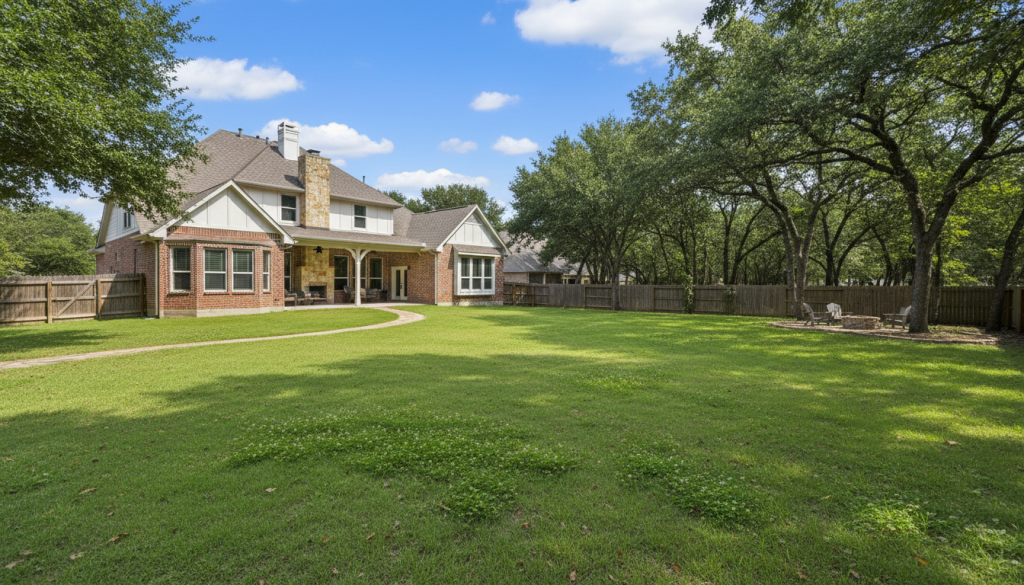
Achieving a lawn that stays healthy and green from spring thaw to fall frost requires moving beyond weekend warrior tactics. It demands understanding your lawn as a living ecosystem and implementing a consistent, year-round strategy. This guide outlines the core principles and modern methods to build a resilient, evergreen landscape.
01 The Core Philosophy: From Reactive Labor to Proactive Stewardship
The traditional approach to lawn care is reactive and episodic: the grass gets long, so you mow; a brown patch appears, so you water and treat it. This drains your time and resources for inconsistent results.
The professional approach is proactive and systematic. It views the lawn holistically, focusing on long-term soil health and plant resilience. The goal shifts from merely managing problems to cultivating inherent strength. This system leverages consistent, gentle care and intelligent technology to maintain equilibrium, preventing most issues before they start.
The Paradigm Shift:
-
Old Way: Crisis Management (Water during drought, treat weeds after they sprout, scalp the lawn when it’s overgrown).
-
New Way: Ecosystem Support (Build drought-tolerant roots, create conditions that suppress weeds, maintain ideal grass height continuously).
02 The SMART Lawn System: A Five-Pillar Framework
Sustainable lawn health rests on five interconnected pillars. Neglecting one weakens the entire system.
Pillar 1: Strategic Mowing – The “Haircut” That Strengthens
Mowing is not just cutting; it’s the most frequent form of plant stress and management.
-
The 1/3 Rule is Sacred: Never remove more than one-third of the grass blade in a single session. Scalping stresses the plant, exposing soil to sun and weed seeds.
-
Height Matters: Keep grass taller, especially in summer. 3-4 inches is ideal for most cool-season grasses. Taller grass:
-
Promotes deeper, drought-resistant roots.
-
Shades the soil, reducing water evaporation and preventing weed germination.
-
Increases photosynthetic capacity for healthier growth.
-
-
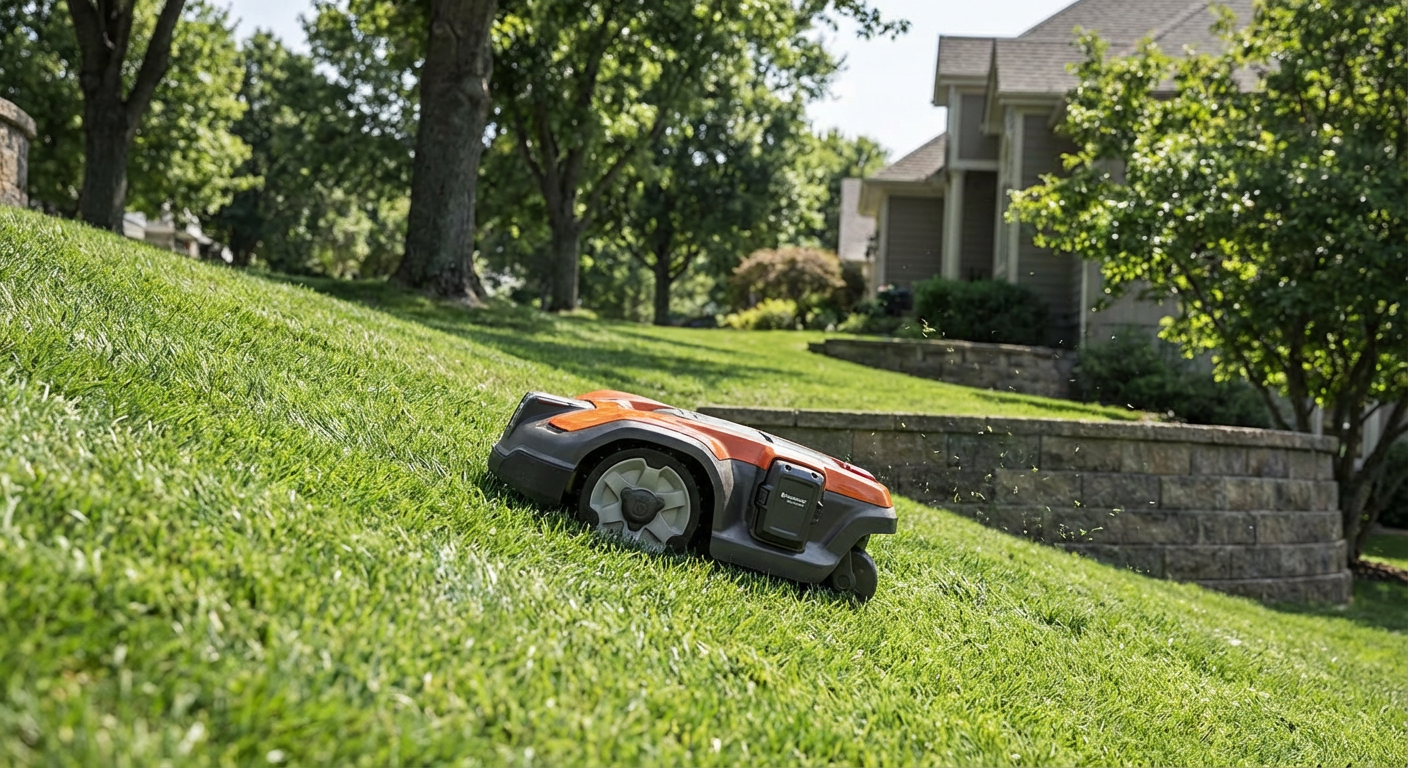
The Frequency Revolution: This is where robotic lawn mowers transform the game. By mowing every 2-3 days, they take only a tiny amount off the top. This “continuous micro-mowing” eliminates shock, naturally mulches clippings for nitrogen, and keeps the lawn perpetually manicured without weekly effort.
Pillar 2: Intelligent Watering – Deep Drinks, Not Sips
Frequent, shallow watering is a root’s worst enemy, training it to stay near the surface.
-
Water Deeply & Infrequently: The goal is to moisten soil 6-8 inches deep. This encourages profound root growth. Place an empty tuna can on the lawn; when it’s full, you’ve watered about an inch—usually enough to reach the target depth.
-
The Early Bird Schedule: Water between 4 AM and 8 AM. This minimizes evaporation from sun and wind and allows grass blades to dry quickly, preventing fungal diseases.
-
Smart Integration: Pair smart irrigation controllers (like Rachio) with weather data. Better yet, in advanced systems, your robotic mower can inform the irrigation schedule, delaying watering after a mow or adjusting based on soil moisture data it collects.
Pillar 3: Nourishment from the Ground Up
Feed the soil, and the soil will feed the grass. Health starts underground.
-
Annual Soil Test: This is non-negotiable. A test (from your local cooperative extension) reveals pH and nutrient levels. Applying the wrong fertilizer is wasteful and harmful.
-
Embrace Organic Feeding: Synthetic fertilizers give a quick, often unsustainable green rush. Organic fertilizers and practices (like grasscycling with a robotic mower) release nutrients slowly, feed beneficial soil microbes, and improve soil structure over time.
-
Core Aeration: Once a year (fall for cool-season grasses), aerate to relieve soil compaction. This allows oxygen, water, and nutrients to reach the root zone. It’s like giving your lawn room to breathe.
Pillar 4: Proactive Defense, Not Chemical Warfare
A thick, healthy lawn is its own best defense.
-
The Best Herbicide is a Thick Turf: Weeds are opportunists that fill in bare spots. By following the mowing, watering, and nourishment pillars, you create a dense canopy that crowds out weeds naturally.
-
Spot Treat, Don’t Blanket Spray: If weeds appear, identify them and use a targeted, minimal herbicide application. Blanket spraying harms soil biology and is often unnecessary.
-
Choose the Right Grass: Use grass varieties bred for your region’s climate, shade, and drought resistance. A grass struggling to survive will always be vulnerable.
Pillar 5: The Seasonal Mindset – Adapting the System
Your lawn’s needs change with the seasons. A static care plan will fail.
-
Spring (Revival & Growth): Focus on aeration if needed, apply a light, spring-formulated fertilizer based on soil test results, and begin consistent mowing as growth starts.
-
Summer (Stress Management): Raise mowing height. Water deeply early in the morning. Watch for pests but don’t overreact. Let the lawn grow a bit slower and stronger.
-
Fall (Preparation & Recovery): This is the most critical season for long-term health. Aerate, overseed bare spots, and apply a fall fertilizer to strengthen roots for winter and ensure a quick green-up in spring.
-
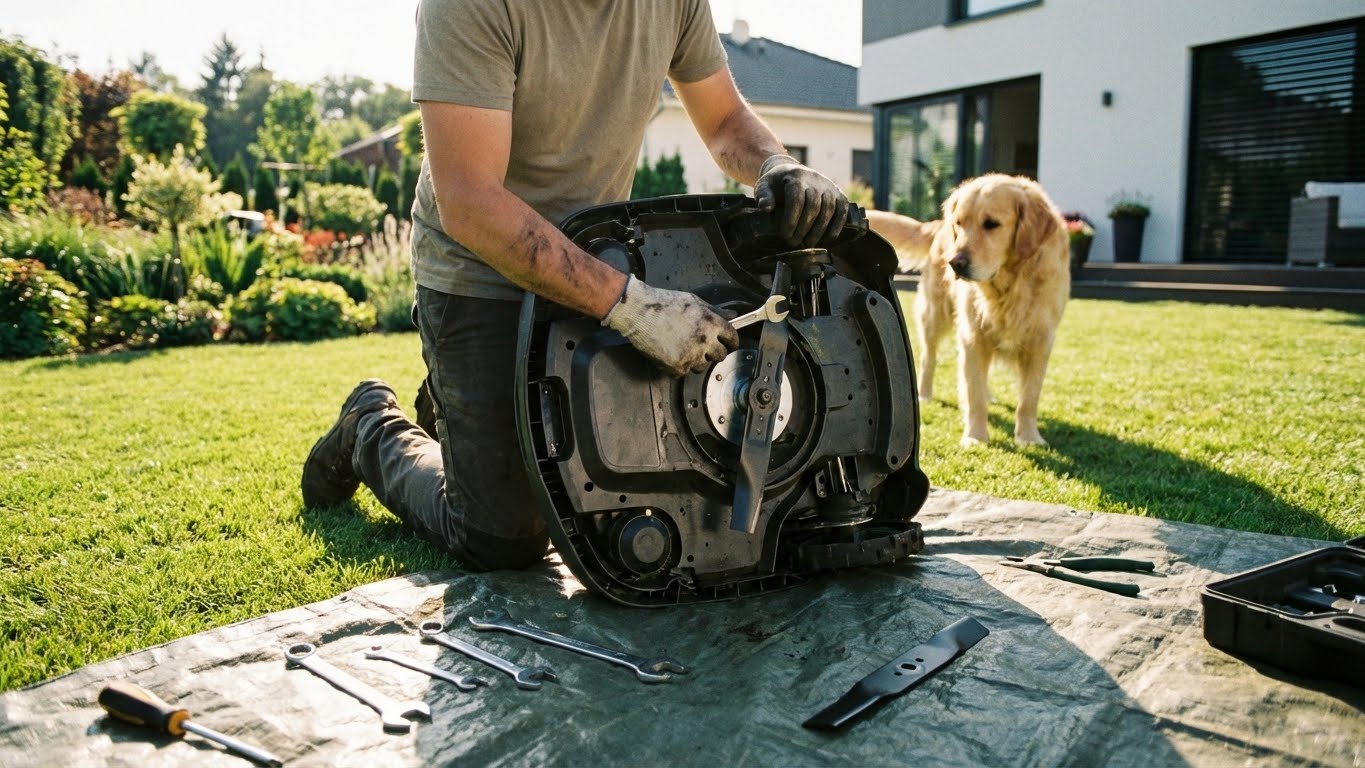
Winter (Rest & Planning): Keep the lawn clear of leaves and debris to prevent matting and disease. Avoid walking on frozen grass. Use this time to service equipment and plan for spring.
03 The Modern Edge: Technology as Your Silent Partner
Implementing the SMART system manually requires significant time and expertise. This is where intelligent technology transitions lawn care from a chore to a seamlessly managed asset.
-
The Autonomous Workhorse: A professional-grade robotic mower is the cornerstone of modern lawn care. It automates Pillar 1 (Strategic Mowing) to perfection, directly supports Pillar 3 (via grasscycling), and provides data that informs Pillars 2 and 4.
-
The Integrated Brain: Smart irrigation controllers and soil sensors automate and optimize Pillar 2, taking guesswork and waste out of watering.
-
The Command Center: A mobile app allows you to manage mowing schedules, track performance, receive alerts, and adjust your entire system from anywhere. You move from being the laborer to the system overseer.
04 The Green, Year-Round Result
When you commit to this systematic approach, the results compound:
-
Resilience: Your lawn better withstands drought, heat, and minor pest issues.
-
Reduced Inputs: You’ll use less water, fewer chemicals, and less fertilizer over time.
-
Time Freedom: Automation and prevention reclaim countless weekend hours.
-
Consistent Beauty: Instead of peaks and valleys, your lawn maintains a steady state of healthy, inviting green.
Conclusion: Cultivating an Ecosystem, Not Just Grass
A lawn that stays green year-round is not a product of constant intervention, but of intelligent, consistent support. It’s the difference between frantically bailing water from a leaky boat and carefully building a sound, seaworthy vessel.
The ultimate goal is to create a self-sustaining landscape where your role evolves from a reactive laborer to a strategic steward. By building healthy soil, choosing smart practices, and leveraging technology to handle repetition, you cultivate an ecosystem that thrives with minimal stress—on both the grass and yourself.
The greenest lawns aren’t fought for every weekend; they are nurtured by a thoughtful system that works quietly in the background, leaving you more time to simply enjoy the view.