

The difference between a lawn that merely survives and one that thrives—lush, green, and resilient—isn’t visible from the street. It lies six inches below the surface, in a hidden world that most homeowners never consider: the root zone. Your grass is only as strong as its foundation. A robust root system is the ultimate defense against drought, disease, weeds, and stress. This guide shifts your focus from surface-level aesthetics to the underground engineering that creates a truly self-sustaining lawn.
For generations, American lawn care has been a top-down affair: fertilize the blades, water the surface, and mow for appearance. Modern turf science and smart technology now allow us to adopt a bottom-up philosophy: nourish the roots, and the lawn will care for itself. Understanding and cultivating this hidden ecosystem is the most impactful shift a homeowner can make.
Part 1: The Hidden City Beneath Your Feet – Why Roots Matter
Think of your lawn as an inverted tree. The blades are the canopy, but the roots are the trunk, branches, and foundation. Every challenge your lawn faces is first met underground.
The 5 Pillars of Root-Powered Resilience:
-
Drought Resistance: Deep roots tap into subsurface moisture, surviving weeks without rain. Shallow roots panic after days.
-
Nutrient Access: A vast root network explores more soil, harvesting nutrients more efficiently, reducing fertilizer needs.
-
Thermal Insulation: A dense mat of roots and soil protects crowns from summer heat and winter frost kill.
-
Thatch Prevention: Healthy roots support microbial life that decomposes organic matter, preventing thatch buildup.
-
Weed Suppression: Thick, dense turf from strong roots simply leaves no room for weeds to establish.
The Gold Standard: The United States Golf Association (USGA) mandates that putting green roots reach at least 6 inches deep. For your home lawn, 3-4 inches is a healthy minimum, but in ideal conditions, roots of cool-season grasses can reach 12-18 inches or more.
Part 2: The Unseen Enemies – What Stunts Your Roots
Roots fail to thrive due to a handful of common, correctable practices.
-
#1 The Scalping Cut: Mowing too short is public enemy number one. Grass plants respond by allocating energy to regrow blades, starving root development. Each time you scalp, you tell the plant: “Focus on survival, not investment.”
-
#2 The Sprinkler Spritz: Frequent, shallow watering (10 minutes daily) trains roots to stay lazy at the surface. Why dig deep when water is always served at the top? This creates a lawn that wilts at the first sign of heat.
-
#3 Concrete Soil: Foot traffic, heavy equipment (like riding mowers), and poor soil structure compact the earth. In compacted soil, pore spaces collapse. Roots need oxygen as much as water; compaction suffocates them, halting growth.
-
#4 Chemical Dependency: Over-reliance on synthetic, quick-release fertilizers can feed the blade at the expense of the soil’s microbial ecosystem. Healthy roots depend on a symbiotic relationship with fungi (mycorrhizae) and bacteria that are harmed by chemical salts.
Part 3: The Cultivation Code – Practices for Deep-Rooted Health
This is the actionable core. Shift from treating symptoms to building root-centric systems.
Practice 1: The Art and Science of Mowing (Your #1 Tool)
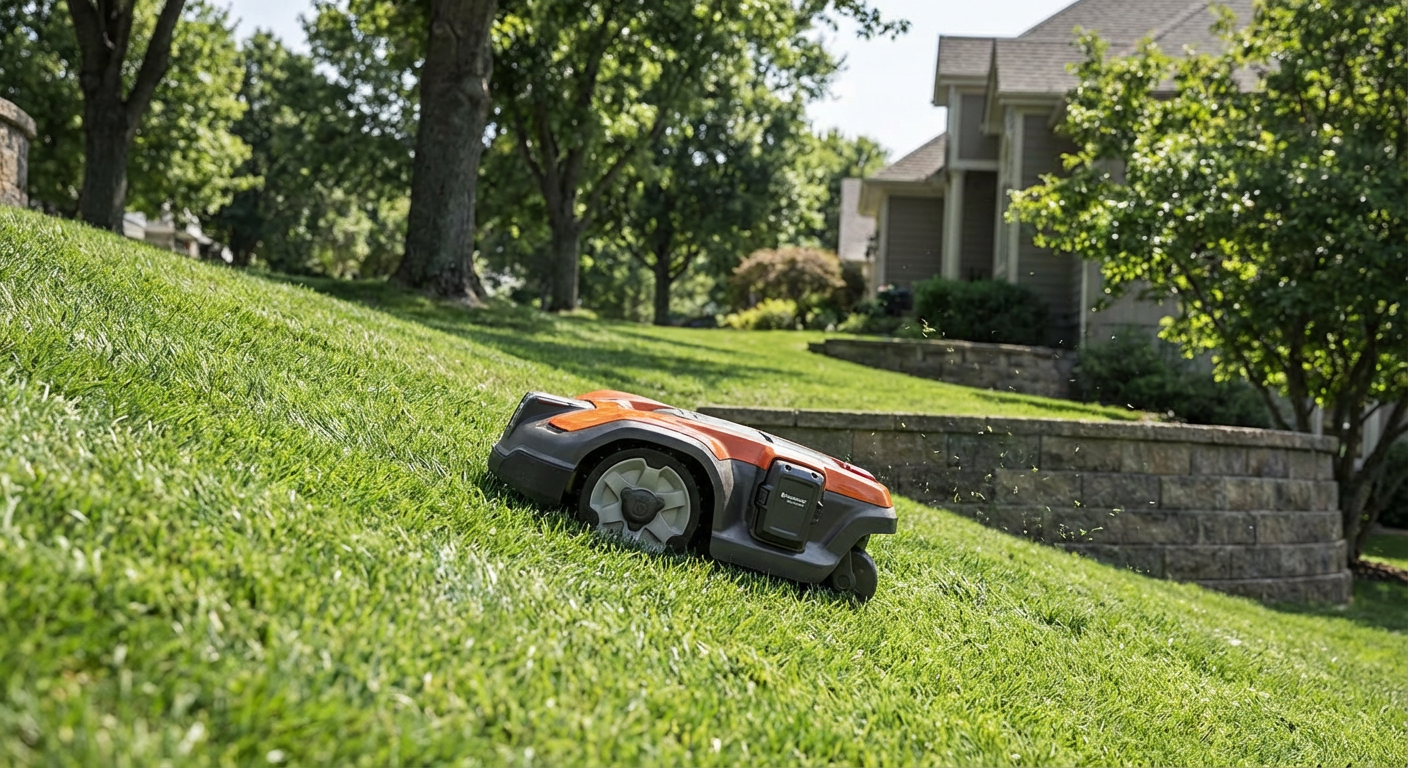
This is where your robotic lawn mower transitions from a convenience to a root-building machine.
-
The 1/3 Rule, Religiously: Never remove more than one-third of the grass blade height in a single cut. This minimizes stress, allowing energy to flow to the roots.
-
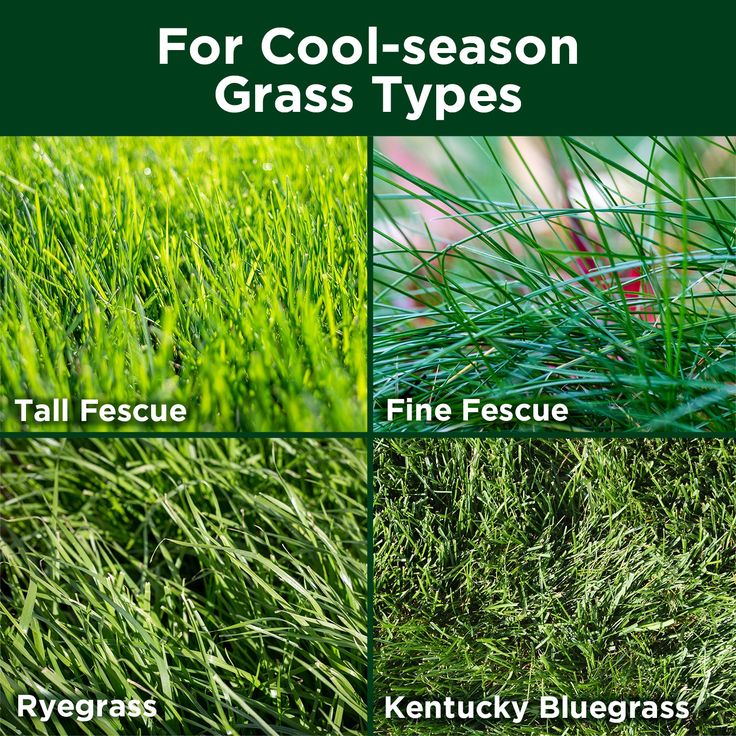
The “Tallgrass Prairie” Strategy: Mow HIGH. Set your cutting height to 3.5 – 4 inches for cool-season grasses. Taller blades:
-
Photosynthesize more, sending more sugars (carbohydrates) to the roots.
-
Shade the soil, keeping it cooler and reducing surface evaporation.
-
Naturally crowd out sun-loving weeds (like crabgrass).
-
-
The Robotic Revolution – Micro-Mowing: This is the game-changer. A robot mowing every 2-3 days takes only a tiny tip off the grass. This eliminates the cyclical “shock” of a weekly heavy cut. The plant exists in a steady state of calm growth, with a consistent, surplus energy stream directed downward to build massive root reserves. It’s the ultimate low-stress training for your lawn.
Practice 2: Hydration for Depth, Not Dampness
Watering should be an infrequent but profound event.
-
The “Soak and Dry” Cycle: Water deeply and infrequently. Apply enough water to moisten the soil to a depth of 6 inches. Use a soil probe or screwdriver to test. Then, allow the top 2-3 inches to dry out completely before watering again. This forces roots to chase moisture downward.
-
The Dawn Patrol: Water between 4 AM and 8 AM. Minimal evaporation, minimal wind disruption, and blades dry quickly to prevent disease.
-
Smart Tech Integration: A smart irrigation controller paired with soil moisture sensors automates this perfect cycle, applying water only when the root zone truly needs it, based on data, not a calendar.
Practice 3: Aeration – Giving Roots Room to Breathe
Once a year (fall for cool-season grasses), core aerate.
-
This process pulls out tiny plugs of soil, immediately relieving compaction, creating airways for oxygen, and allowing water and nutrients to penetrate.
-
It’s the equivalent of opening all the windows in a stuffy room for your roots.
Practice 4: Feeding the Soil, Not Just the Grass
-
Soil Test First: A professional test tells you what your soil truly lacks. Apply only what is needed.
-
Go Organic: Use slow-release organic fertilizers (compost, bio-based products). They feed the soil microbiology that, in turn, feeds your roots in a symbiotic, sustained release.
-
Grasscycle with a Mulching Mower: The fine clippings from your robotic mower decompose rapidly, returning nitrogen and organic matter directly to the soil surface, feeding the ecosystem from the top down.
Part 4: The Diagnostic Toolkit – Reading Your Lawn’s Roots
You don’t need to dig to diagnose.
-
The Tug Test: Grab a healthy handful of grass blades and give a gentle, upward pull. If it comes out easily with little resistance, you have shallow, weak roots. Strong roots will firmly anchor the grass.
-
The Screwdriver Test: After a dry week, push a long screwdriver into the soil. Resistance indicates dry, hard soil. It should slide easily into moist, well-rooted earth. Note the depth where it becomes hard—that’s your effective root zone depth.
-
Observe Stress Response: Which areas wilt first in a drought? Those are your shallow-root zones, often in compacted or sun-baked areas.
Part 5: The Journey – From Traditional to Regenerative
The Traditional Cycle: Fertilize → Force Growth → Mow Frequently → Water Constantly → Treat Problems. It’s a high-input, high-stress loop focused on the blade.
The Regenerative, Root-Centric Cycle: Mow High & Frequently (Robot) → Water Deeply & Infrequently (Smart Controller) → Aerate (Annual) → Nourish Soil Organically. This is a low-input, low-stress loop that builds an underground reservoir of strength.
Conclusion: The Invisible Investment
Caring for your roots is an investment in the unseen. The rewards, however, are vividly apparent: a lawn that stays greener longer with less water, resists disease and weeds with less chemicals, and bounces back from stress with shocking speed.
By adopting this underground-focused approach, empowered by smart technology that enables gentle, consistent care, you stop being a lawn caretaker and become an ecosystem steward. You are no longer fighting against nature’s symptoms, but cultivating its underlying strength. The result is not just a beautiful lawn, but a resilient, living asset that grows more self-sufficient with each passing season. The true health of your lawn has always been hidden in plain sight—just look down, and dig a little deeper in your thinking.